Mapping Success Routes for Competitors Moving Between Soccer Leagues and Athletics Competitions on the Global Stage
Written by Greta Jung · Sep 14, 2026
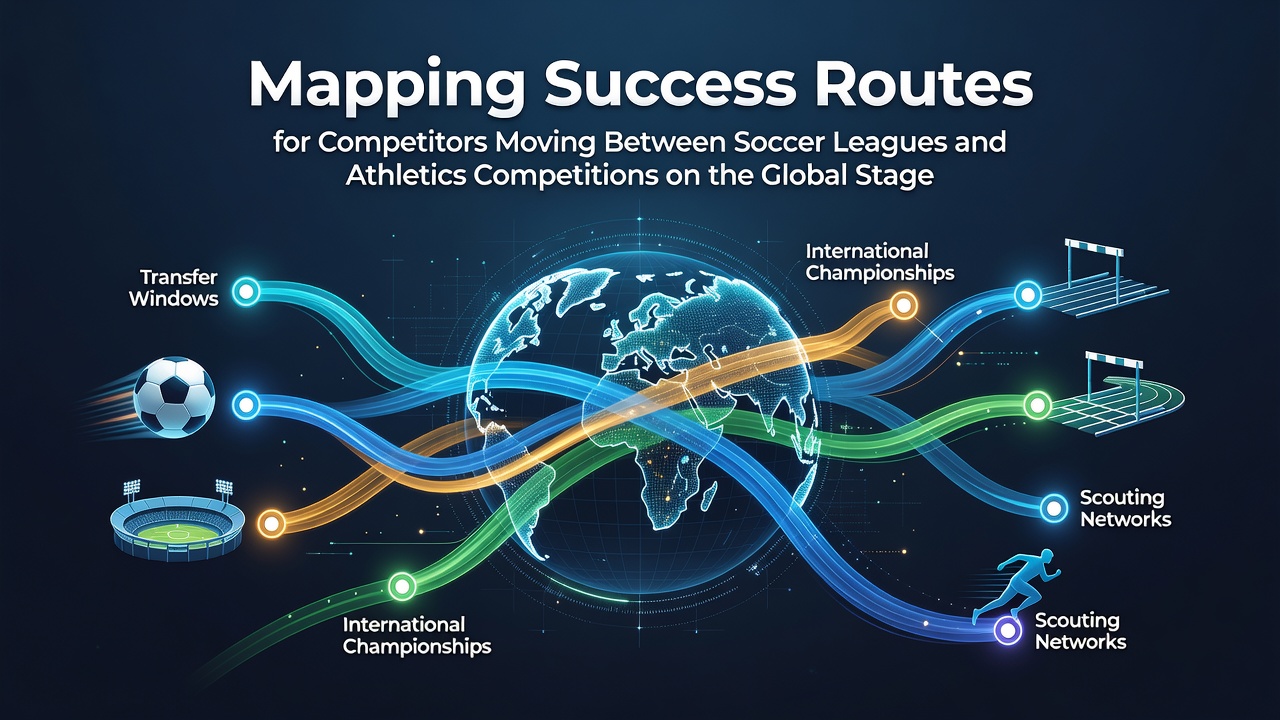
Mapping Success Routes for Competitors Moving Between Soccer Leagues and Athletics Competitions on the Global Stage
Competitors shifting between soccer leagues and athletics events navigate structured pathways that connect team-based speed demands with individual performance metrics in track and field disciplines. Data from international federations shows these transitions often hinge on shared requirements for explosive power and endurance recovery, while organizations track athlete movements across continents to identify viable routes.
Core Physical Alignments Driving Transitions
Researchers at sports science centers have documented how soccer players develop stride patterns that transfer directly to 100-meter and 200-meter sprints, whereas track athletes bring repeatable acceleration phases that support midfield coverage in professional leagues. European studies indicate that athletes completing six months of combined drills reduce adaptation time by 30 percent when entering new formats, and similar patterns appear in South American and African programs where dual training camps operate year-round.
Documented Career Pathways Across Regions
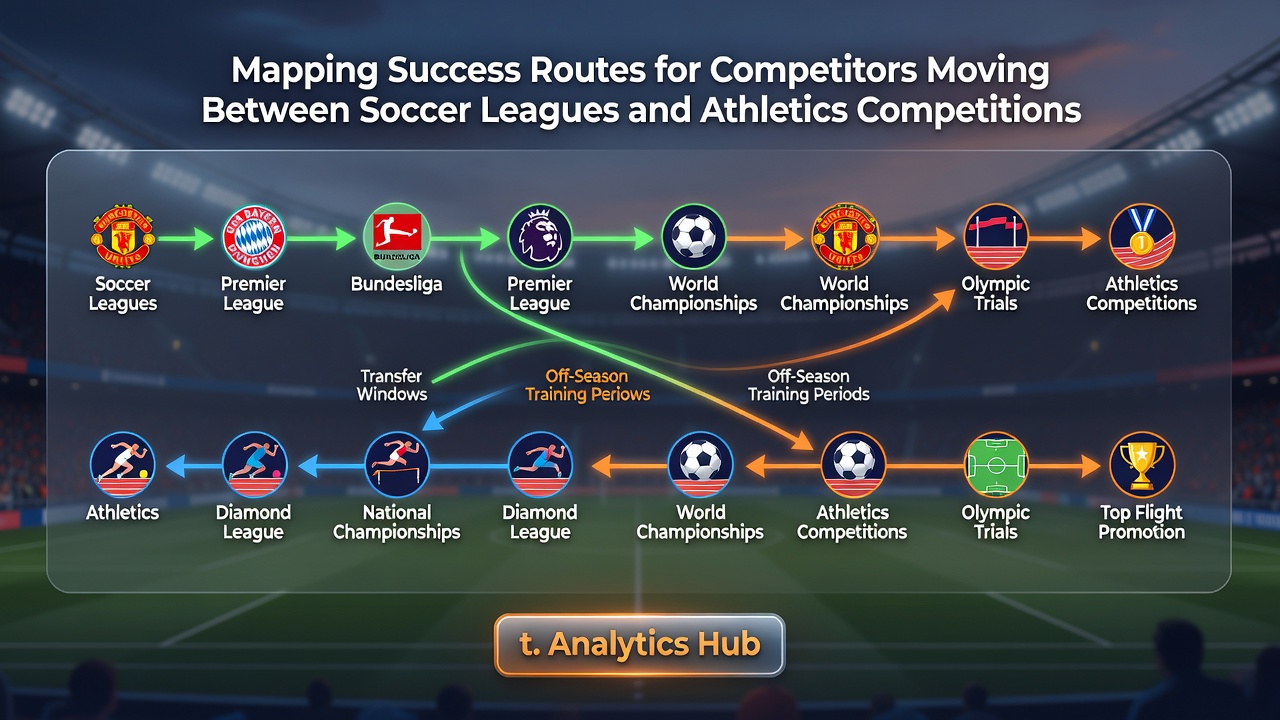
One documented route runs through West African academies where youth prospects begin in local athletics meets before moving into European soccer youth systems, then return to continental track circuits during off-seasons. Another pathway originates in Scandinavian clubs that partner with national athletics federations to allow players periodic competition in 400-meter events. Observers note that these routes gain clarity when governing bodies publish eligibility guidelines, allowing athletes to maintain rankings in both soccer and athletics calendars without administrative conflicts.
Case Examples of Successful Shifts
Figures from World Athletics and league records reveal multiple instances where players left top-division soccer contracts to pursue 800-meter or 1500-meter titles at continental meets. In each case the athletes retained cardiovascular baselines developed during match schedules, while adding targeted interval work that improved personal bests within two seasons. Conversely, sprinters who entered lower-tier soccer leagues leveraged starting speed to secure starting positions, then progressed upward once tactical awareness developed through repeated match exposure.
Data Patterns and Timing Considerations
Performance databases compiled through 2025 show peak transition windows occur after major tournaments, when recovery periods allow athletes to test new disciplines without immediate contract pressure. September 2026 falls between the conclusion of the FIFA World Cup and the start of new domestic athletics seasons in several hemispheres, creating an opening for athletes to complete medical clearances and begin cross-training blocks. Statistics released by regional sports institutes indicate that athletes who schedule these blocks report higher retention rates in their second discipline compared with those who attempt immediate switches.
Institutional Support Structures
Governing bodies including World Athletics and national soccer federations maintain joint registries that track dual-eligible athletes. These registries list approved competition calendars, medical protocols, and scholarship options that reduce financial risk during transitions. In Australia and Canada, similar frameworks link university programs with professional pathways, allowing athletes to alternate between soccer seasons and track meets while accumulating data on workload management.
Training Adaptations and Monitoring Tools
Coaches apply GPS tracking and lactate threshold tests originally developed for soccer to monitor track athletes during league transitions, and the reverse occurs when athletics programs adopt small-sided game metrics to measure soccer-specific agility. Programs in East Asia have published protocols that combine both datasets, resulting in standardized benchmarks that athletes meet before advancing to higher competitive levels in either sport.
Conclusion
Mapping these routes requires continued collection of performance data across federations and regions. Athletes who follow documented pathways, time their switches around established calendar gaps, and utilize institutional registries demonstrate measurable progress in both soccer leagues and athletics competitions on the global stage.