Shared Approaches to Altitude Training Camps Among Distance Athletes, Cyclists, and High-Altitude Team Sport Competitors
Written by Elena Powell · Oct 12, 2026
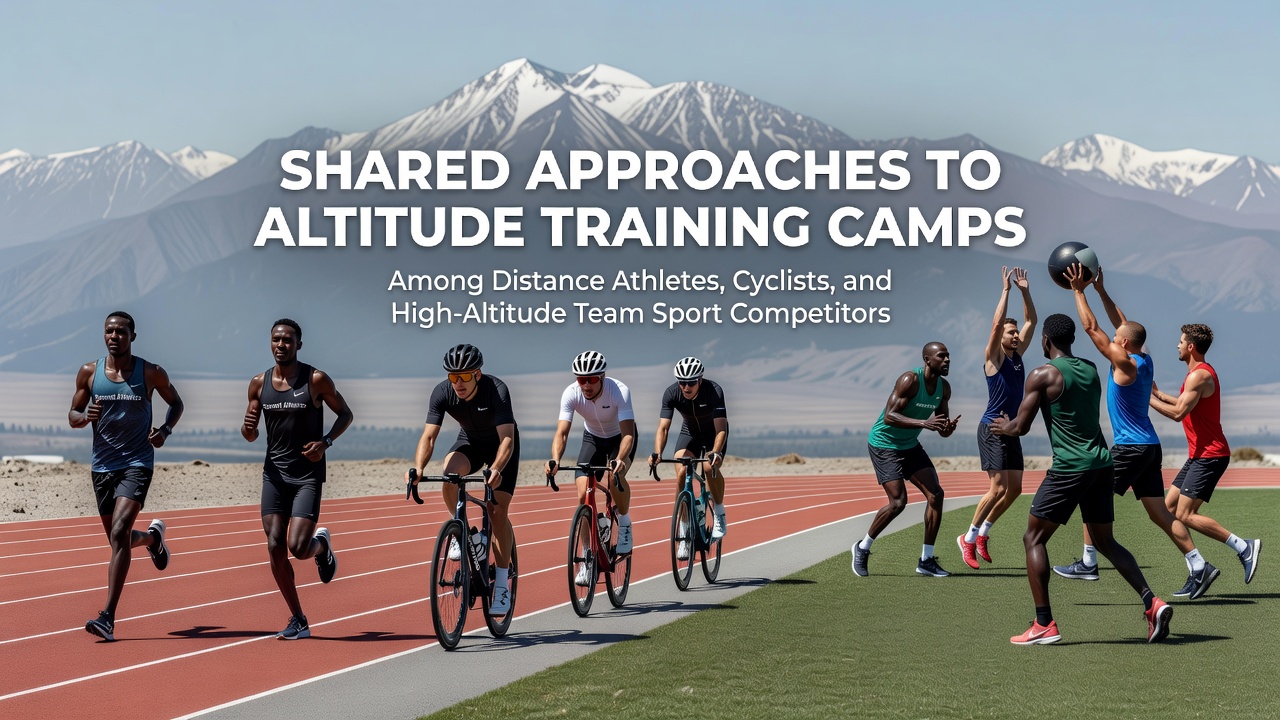
Shared Approaches to Altitude Training Camps Among Distance Athletes, Cyclists, and High-Altitude Team Sport Competitors
Distance runners, professional cyclists, and competitors in team sports such as soccer or rugby often converge on the same high-elevation sites to pursue comparable physiological gains, and these overlapping strategies have become standard practice across disciplines. Athletes typically spend two to four weeks at elevations between 1,800 and 2,800 meters, where reduced oxygen availability stimulates increased erythropoietin production and subsequent rises in red blood cell mass. Data from multiple longitudinal studies indicate that hemoglobin concentrations can rise 5 to 10 percent within three weeks when combined with controlled training loads and nutrition protocols.
Physiological Mechanisms Underpinning Shared Protocols
Researchers have documented consistent hematological responses across endurance-based sports, while team sport athletes adapt similar frameworks to support repeated high-intensity efforts rather than steady-state performance. Live-high, train-low models remain prevalent because they allow athletes to accumulate hypoxic exposure during rest and recovery periods yet maintain higher training intensities at lower altitudes nearby. Cyclists frequently descend from mountain lodges for interval sessions on valley roads, distance runners use nearby flatter terrain for tempo work, and soccer squads schedule technical drills at base camps before returning uphill for recovery walks.
Geographic Hubs and Camp Infrastructure
Popular locations include the Colorado Rockies, the Swiss and Austrian Alps, Tenerife in the Canary Islands, and highland regions of Kenya and Ethiopia. These sites provide comparable altitude ranges, established lodging, and medical support tailored to large groups. In October 2026 several professional cycling teams and national soccer squads overlapped at facilities near Innsbruck, sharing access to blood-testing laboratories and altitude simulation chambers for pre-acclimatization before major competitions. Infrastructure at these camps routinely includes dormitory-style housing, on-site kitchens emphasizing iron-rich meals, and recovery modalities such as contrast baths and compression therapy.
Training Structures Across Disciplines
Daily schedules follow similar rhythms regardless of sport. Morning sessions emphasize lower-intensity volume to build aerobic base under hypoxia, afternoon work shifts to quality intervals at reduced elevation, and evenings incorporate sleep monitoring plus nutritional timing to maximize iron absorption. Distance athletes log 120 to 200 kilometers weekly on varied terrain, cyclists accumulate 25 to 35 hours of riding that mix climbing and flat efforts, while team sport players intersperse small-sided games with repeated sprint drills. All groups track oxygen saturation levels and heart-rate variability daily to adjust loads and avoid overreaching.
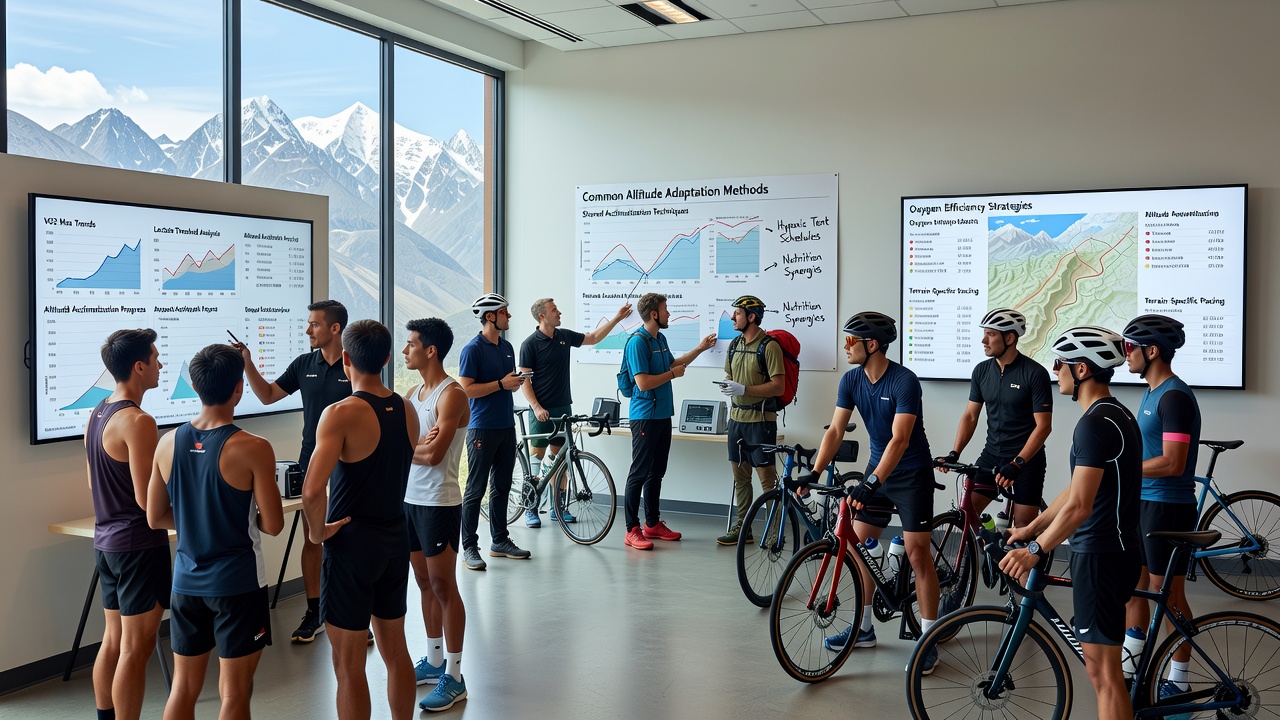
Monitoring, Nutrition, and Recovery Integration
Shared monitoring tools include portable pulse oximeters, wearable power meters, and periodic venous blood draws analyzed for ferritin and reticulocyte counts. Nutritionists coordinate menus that maintain energy availability while supplying 200 to 300 milligrams of elemental iron daily alongside vitamin C sources. Sleep duration targets eight to nine hours, and many camps enforce quiet hours plus blue-light restrictions after 9 p.m. to support natural melatonin production. Observers note that teams adopting unified recovery checklists experience fewer upper-respiratory complaints than groups managing these variables independently.
Examples of Cross-Sport Implementation
One documented program at a Kenyan highland center hosted elite marathoners alongside a European rugby sevens squad during the same four-week block, with both groups using identical altitude tents for additional nightly exposure. Another instance involved a WorldTour cycling team and a national soccer federation sharing a Tenerife base, where joint lectures on heat and altitude interaction were delivered by the same sports-science staff. These arrangements reduce per-athlete costs and allow exchange of practical knowledge on hydration strategies and pacing adjustments.
Considerations for October 2026 Scheduling
October remains a favored window because many northern-hemisphere athletes seek mild autumn temperatures at altitude before winter competition blocks or off-season recovery. European cycling squads preparing for late-season stage races and southern-hemisphere rugby teams building pre-season fitness frequently book overlapping dates. Facilities report advance reservations now extending into 2027, reflecting sustained demand from multiple federations.
Conclusion
Common altitude-camp frameworks continue to evolve through shared data collection and facility usage among distance athletes, cyclists, and team-sport competitors. Standardized monitoring of hematological markers, consistent nutrition timing, and coordinated daily periodization support measurable adaptations across these groups. As more organizations publish aggregated findings from collaborative camps, future protocols will likely refine hypoxic dosage and recovery windows even further while maintaining the core physiological principles already validated across sports.